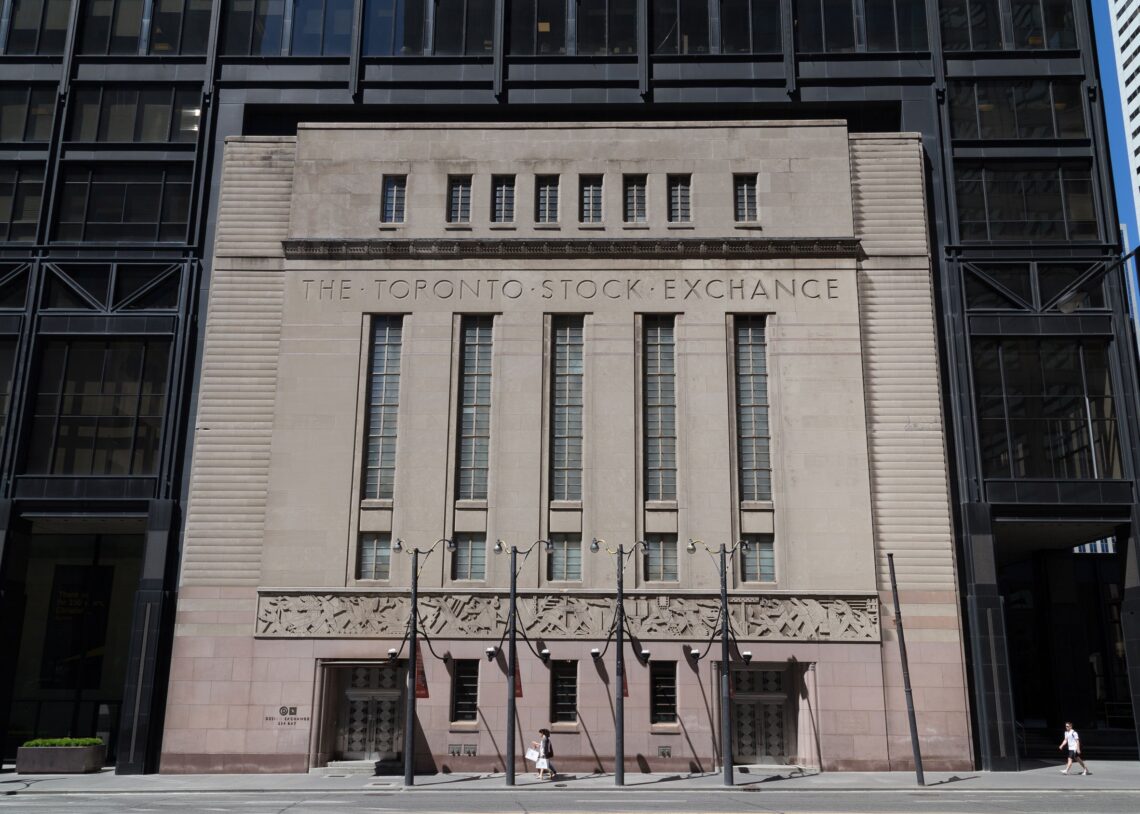
How the Toronto Stock Exchange became one of the largest in the world
The Toronto Stock Exchange is one of the world’s largest trading venues. It was the first to use the CATS electronic trading system, which is now used by many other exchanges.
Its history began in 1852 when local entrepreneurs formed an association of brokers. Nine years later, the organization established a stock exchange. In its early years, the exchange was not very popular and only offered shares of 18 companies. Over time, its activities developed, and the number of securities and people willing to buy them increased.
The first ticker appeared in the 1910s. It reflected supply and demand trends and displayed trading prices. World War I was a serious test for the exchange and its participants. The platform closed for three months but resumed operations in the fall of 1914. Despite financiers’ fears, the war became a productive period for trading operations. Many corporations adapted their activities to meet the needs of the time. This brought them significant income, and the value of these companies’ shares rose.
After the 1918 armistice, the market began to develop actively in the direction of speculation. Inflation rose sharply, affecting the economy. This was followed by a recession, accompanied by a sharp fall in commodity prices.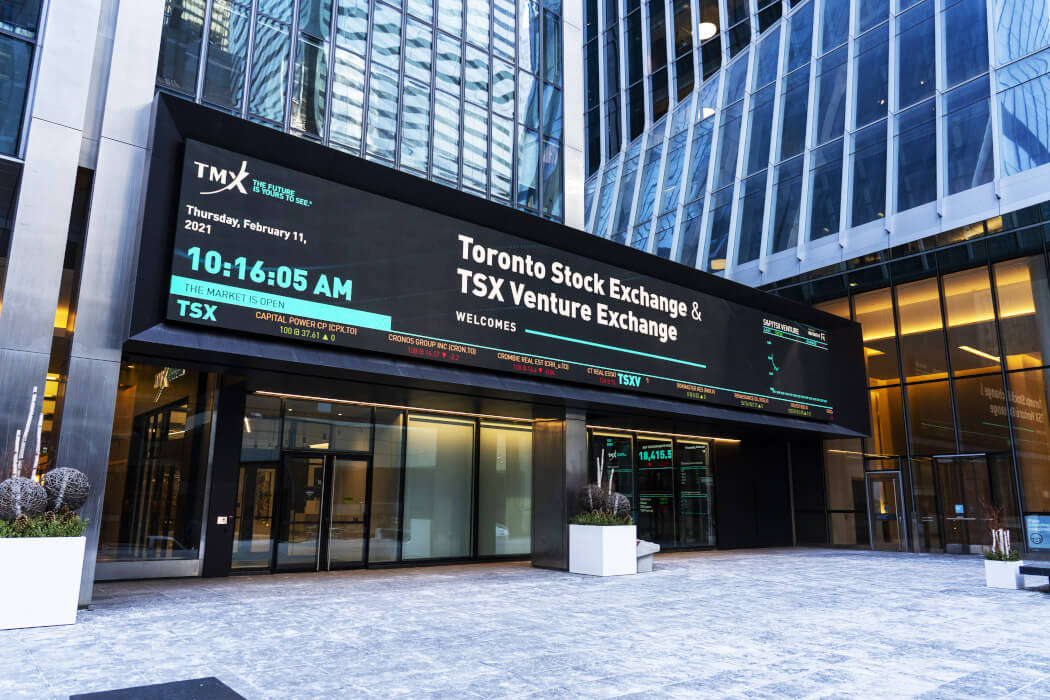
Important stages of development
Another serious blow to the exchange was the crisis of 1929. In the U.S., over two thousand investment and brokerage firms had to close. Meanwhile, not a single firm listed on the Toronto Stock Exchange defaulted. They all fully fulfilled their obligations to their clients.
Nevertheless, the crisis impacted the exchange’s operations. It highlighted the need for structural changes:
1. In response to prevailing conditions, the exchange merged its assets with those of its key competitor in the Canadian market, the Standard Stock and Mining Exchange.
2. In 1934, the companies signed a merger agreement.
3. The new, combined platform was named the Toronto Stock Exchange (TSX).
4. By 1936, it had become the third-largest exchange in North America.
Further successes
The platform reached a record trading volume of US$2.6 billion in 1955. In 1977, the exchange introduced an automated trading system. This was a turning point not only for the TSX but also for the global market.
In 2000, the Canadian financial sector underwent reorganization, including changes to securities trading. The TSX was granted exclusive rights to trade senior shares. Meanwhile, the Montreal Exchange focused on derivatives trading. Meanwhile, the Vancouver and Alberta exchanges merged to work with junior shares. During this period, the TSX became a commercial organization.
Finally, in 2021, the exchange listed its first Bitcoin, ushering in a new era of digital assets.