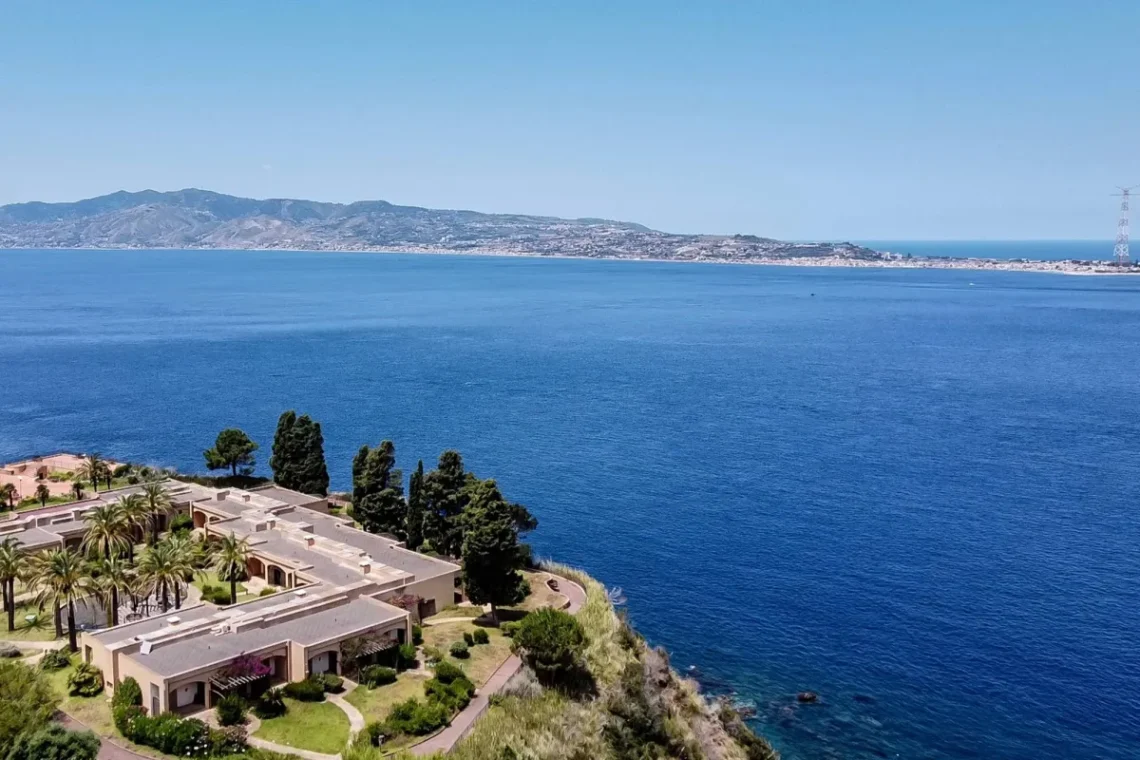
The construction of the bridge between Sicily and Calabria has been delayed for a long time
Led by Giorgia Meloni, the Italian government has approved the construction of a bridge across the Strait of Messina. The bridge will connect Calabria with Sicily. Considered one of the country’s most important projects, it will undergo implementation under the supervision of the CIPESS committee. CIPESS deals with issues of sustainable development.
Construction will cost an estimated €13.5 billion. The bridge’s suspension structure will make it the longest in the world. Completion of the project may occur in 2032 or 2033.
It’s worth noting that the government has postponed the project for about seven years. The main difficulty lies in the terrain’s peculiarities: the strait area is considered one of the most earthquake-prone areas in the Mediterranean. Nevertheless, the designers are confident that the structure will withstand possible earthquakes.
Project complexity
The first plans to build the bridge emerged 50 years ago, but the project did not progress beyond discussions for a long time. For decades, authorities tried to find a way to implement the project, but the final decision was constantly postponed. Key factors hindering implementation include:
– the high cost of construction;
– environmental risks;
– structural safety issues.
Additionally, the possible involvement of the Italian mafia is considered a separate problem. Through corruption schemes, the mafia could claim a share of the funding.
The environmental impact is also a serious concern. Construction would require millions of liters of water per day. At the same time, both Sicily and Calabria suffer from a lack of moisture. Currently, the Strait of Messina can only be crossed by ferry, which takes about 30 minutes.
Project features
According to the final plan, the bridge will span 3.3 kilometers. It will accommodate road and rail traffic. The Italian government plans to include part of the construction costs in its military spending. In this case, the project will receive financing as part of Italy’s NATO commitments. The alliance has set a defense spending target of 5% of a country’s GDP.
The project should create about 120,000 jobs. Additionally, the bridge is of great economic importance to Sicily and Calabria, which rank among the poorest regions in Italy.
However, despite the project’s approval, several issues remain unresolved. For example, during the construction process, residents may have their property expropriated. This could lead to lawsuits and delays in the project’s implementation.
Many experts note that the project’s approval is significant not only from an infrastructural standpoint, but also from a political one. At the same time, they point out that organizational and financial difficulties may arise during implementation. One risk is exceeding the planned budget.